A practical GPT Image 2 image editor guide for creators, ecommerce teams, marketers, and founders, with prompt structure, workflow steps, review criteria, and FAQ.
GPT Image 2 image editor is useful only when it is tied to a clear production job. This guide turns the search query into a repeatable workflow for local edits, product cleanup, background changes, and review-ready assets.
Core answer
GPT Image 2 image editor should be treated as a production workflow, not a one-click novelty. The page must answer what the tool does, when it is useful, what can go wrong, and how a user can turn the output into a real asset for local edits, product cleanup, background changes, and review-ready assets.
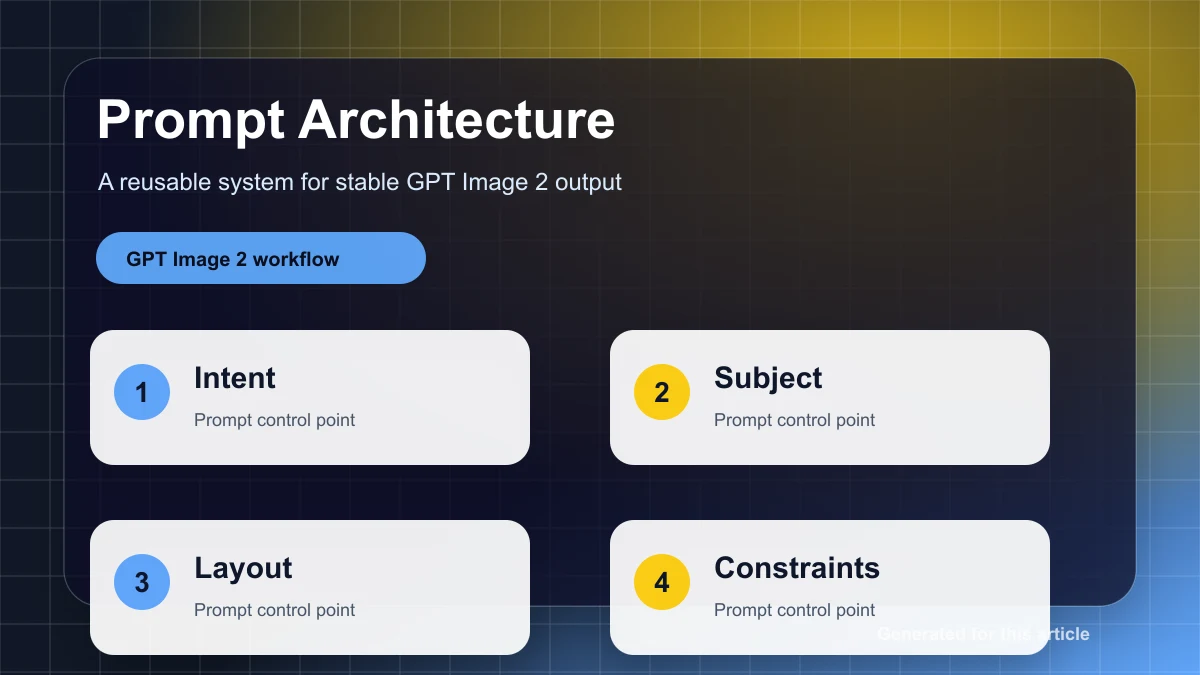
The practical answer is to define the asset job first, then write the prompt around subject, reference, layout, style, constraints, and review criteria. This makes the output easier to compare and easier to improve.
Search intent and reader situation
Readers searching for GPT Image 2 image editor usually have purchase or production intent. They want to know whether the tool can create usable images for local edits, product cleanup, background changes, and review-ready assets. A thin article fails because it repeats definitions without showing how the workflow survives real review.
This article focuses on smallest useful edit, preservation rules, iteration notes, and QA. It avoids unverifiable claims about search volume, model rankings, or guaranteed results. The useful promise is narrower: give the reader a repeatable method they can test immediately.
Production workflow
- Define the asset job
- Lock subject and reference rules
- Choose aspect ratio and channel
- Generate controlled variations
- Review before publishing
Each step removes one source of ambiguity. The asset job defines the goal. Reference rules protect the subject. Aspect ratio connects the image to the channel. Controlled variations make comparison possible. Review prevents a polished but inaccurate image from becoming a published asset.
| Decision | Why it matters |
|---|---|
| Asset job | Prevents one prompt from mixing product, ad, thumbnail, and blog goals |
| Reference rules | Protects identity, product shape, label area, pose, or visual style |
| Aspect ratio | Keeps the image usable for ads, landing pages, listings, or social posts |
| Constraints | Reduces fake text, random logos, extra props, and product drift |
| Review criteria | Turns subjective taste into a production decision |
Prompt template
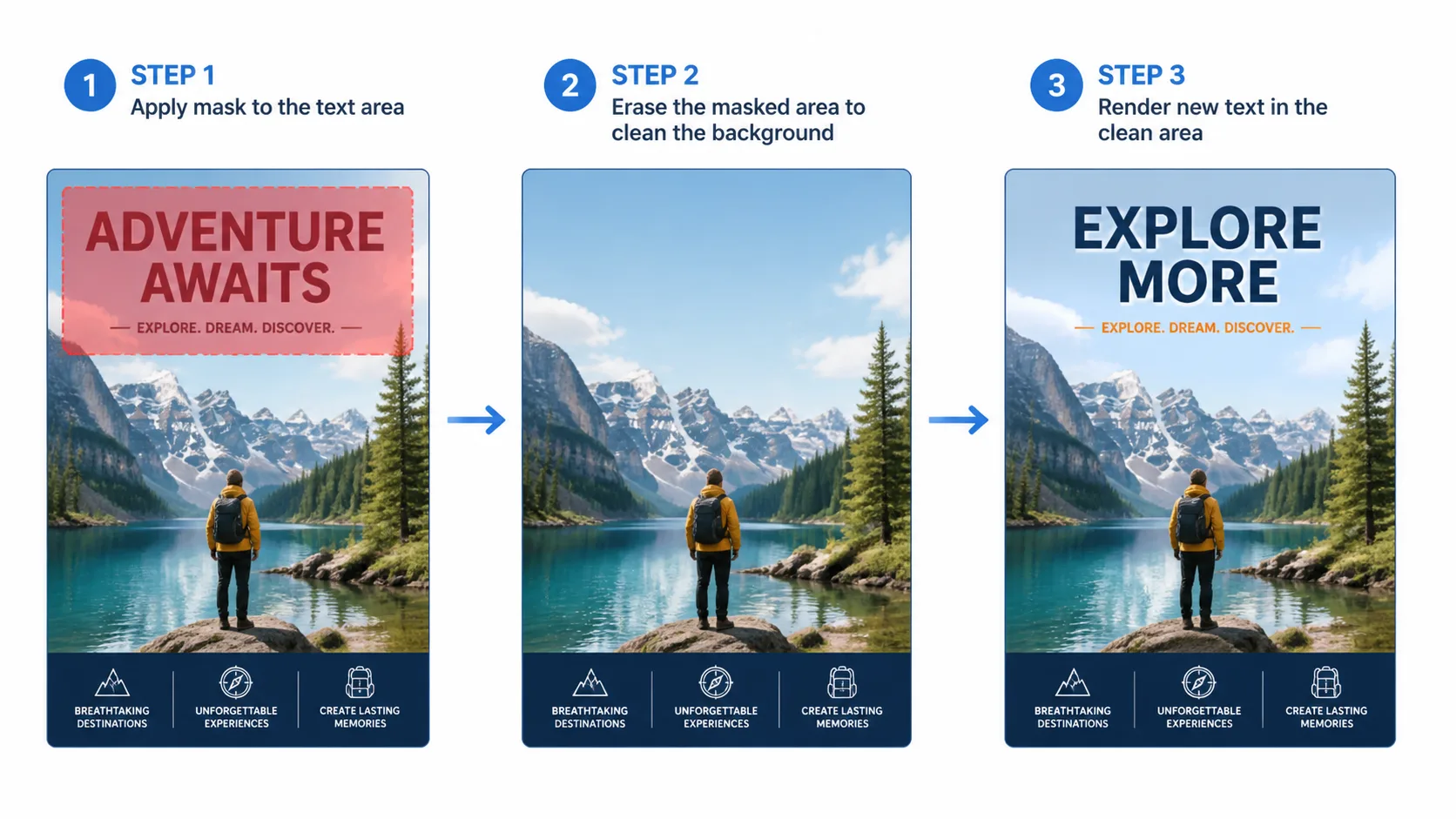
Edit the uploaded product image for an ecommerce landing page. Preserve label position, product color, and object scale. Replace the background with a clean light-gray studio surface and add a soft shadow. Do not add props or fake text.The prompt is intentionally specific. It names the job, fixes the subject, defines the channel, and blocks common failure modes. If the first result is close but not ready, keep the strongest parts and change only one visible variable in the next attempt.
Review checklist
- subject identity
- layout and crop
- text readability
- brand safety
- commercial fit
- reuse potential
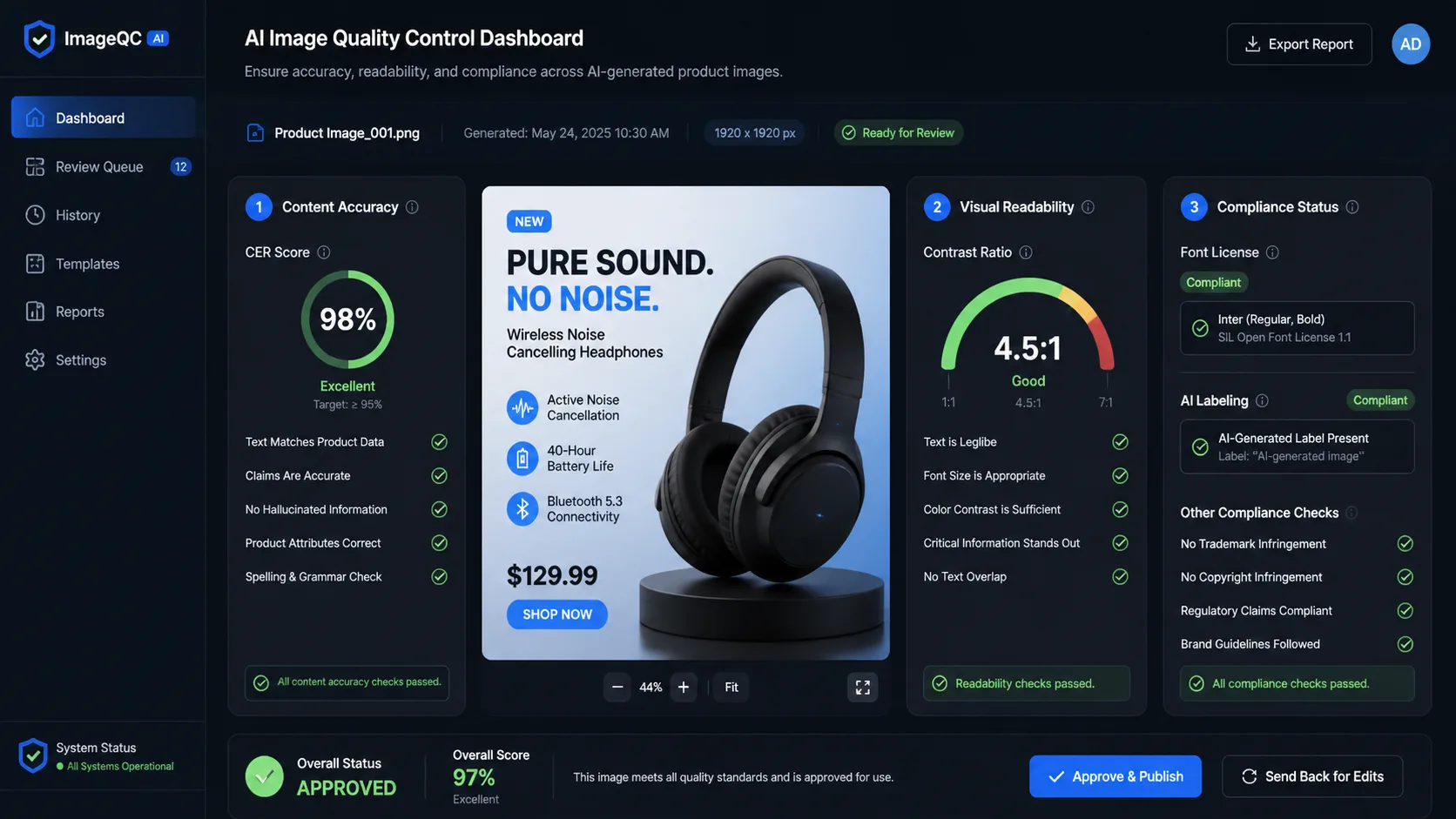
Use this checklist before adding the image to a product page, ad campaign, blog article, client deck, or public social post. The most important question is not whether the image looks impressive. The question is whether it can be used without confusing the customer, reviewer, or buyer.
Common mistakes
- using one prompt for too many jobs
- adding style words before constraints
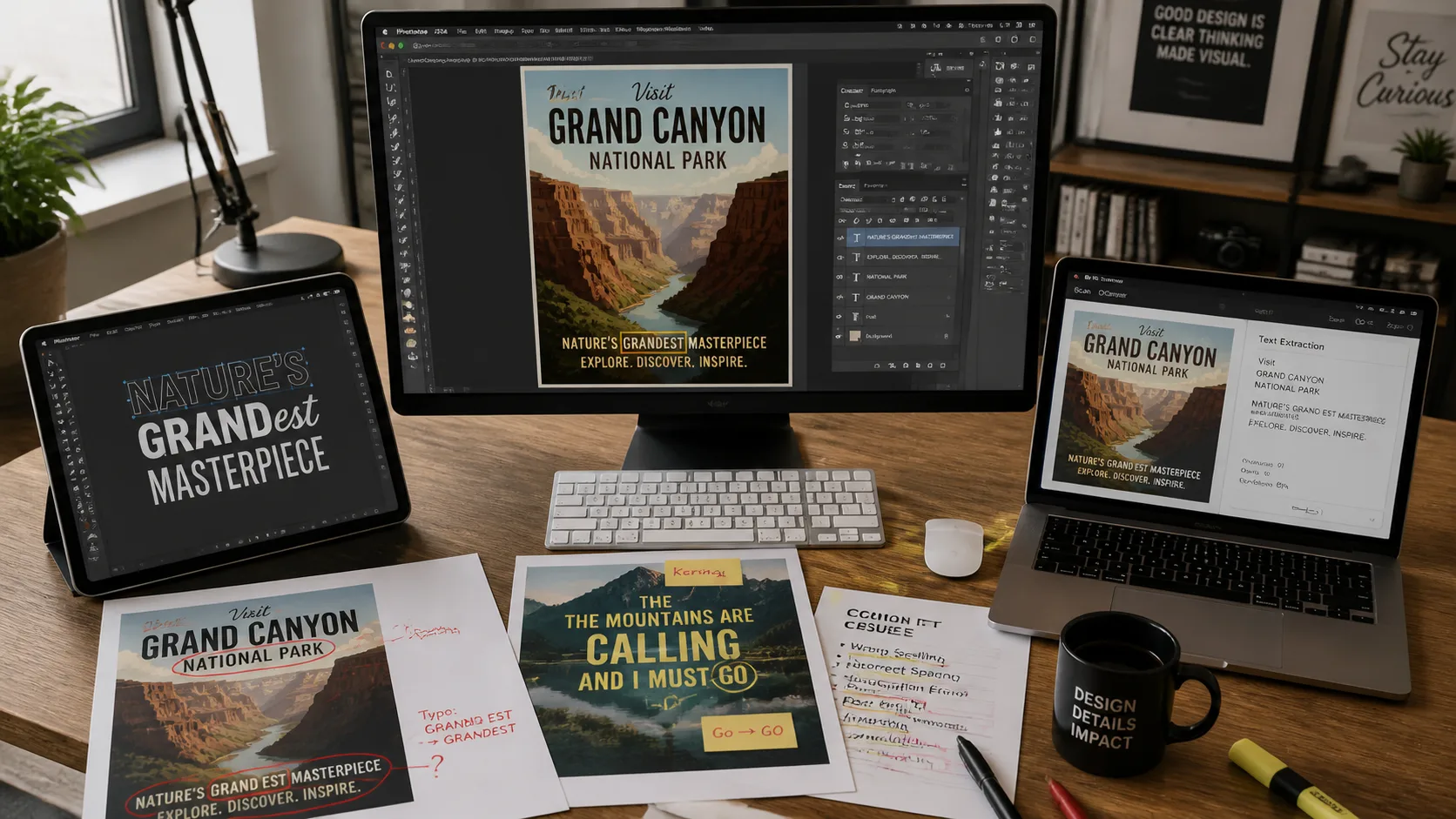
- approving a polished image without checking accuracy
- changing several variables in one retry
These mistakes waste credits because they make every output hard to diagnose. If the image fails, classify the failure first: subject, layout, lighting, text, style, or commercial risk. Then change the smallest part of the prompt that can address that failure.
FAQ
What should this guide help me decide?
GPT Image 2 image editor should help the reader decide whether the workflow fits the asset they need, what prompt structure to use, and how to review the result before spending more time or credits.
Review checklist
GPT Image 2 image editor outputs should be checked against subject identity, layout and crop, text readability, brand safety, commercial fit, reuse potential. A good image is not enough; it must match the production job.
Common mistakes
The most common failure is using one prompt for too many jobs. Keep each generation focused, then iterate with one visible change at a time.
Use gpt-image2ai.net to apply this workflow to real GPT Image 2 images, edits, product visuals, and campaign assets.