Last week, I helped an e-commerce team diagnose their marketing process. They needed to produce 40 product images every week. Their designers were working until 2 AM, and the revision rate was still 60%. I asked if they had tried AI image generation. They said yes — "the text is always garbled, and the backgrounds are never right."
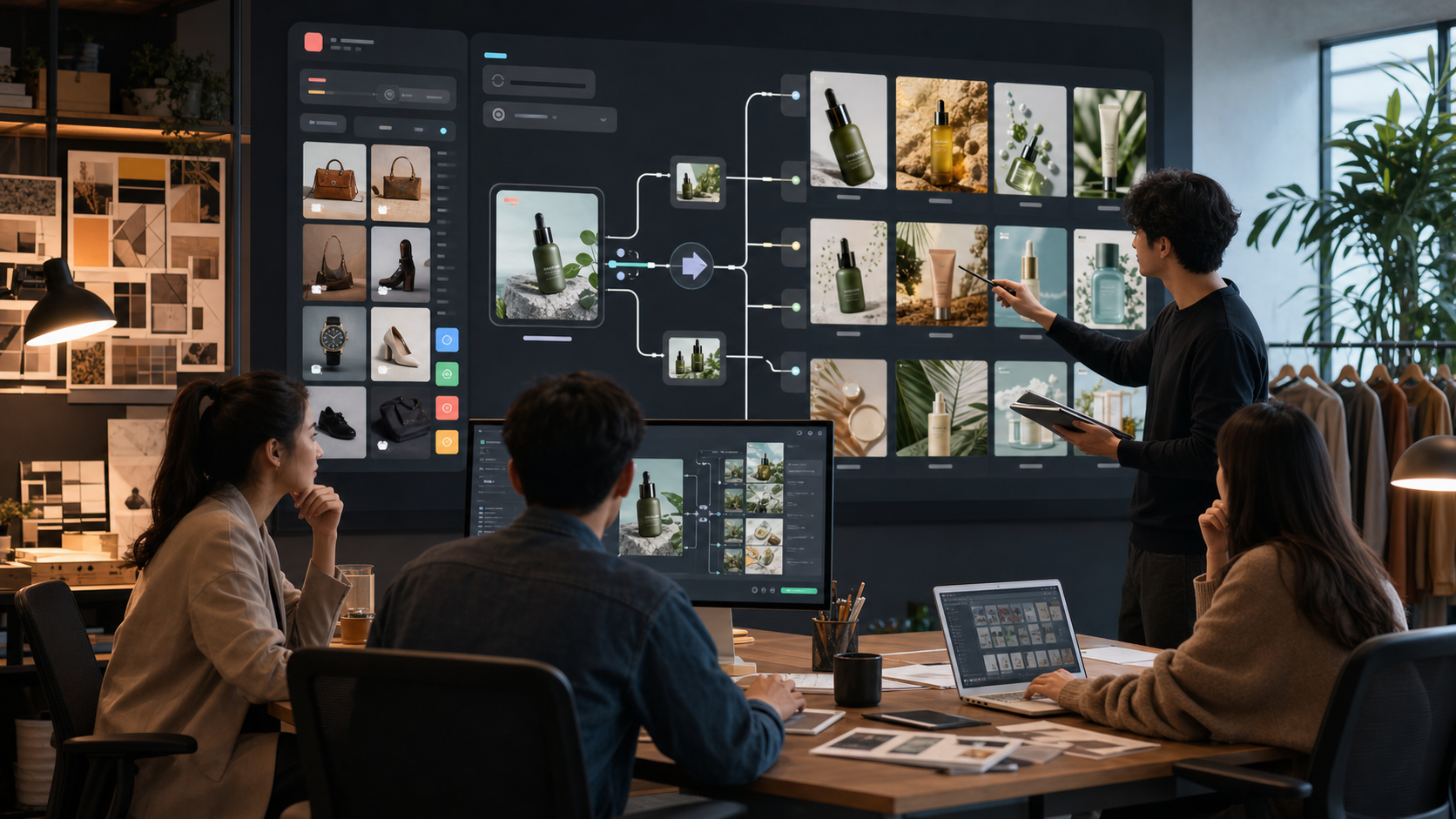
Last week, I helped an e-commerce team diagnose their marketing process. They needed to produce 40 product images every week. Their designers were working until 2 AM, and the revision rate was still 60%. I asked if they had tried AI image generation. They said yes — "the text is always garbled, and the backgrounds are never right."
This isn't an isolated case. For the past two years, marketing teams have viewed AI images as "impressive but impractical."
Then GPT Image 2 arrived.
On April 21, 2026, OpenAI released this model. Five weeks later, it topped the Artificial Analysis text-to-image leaderboard with an Elo score of 1338. But the ranking isn't the point — what matters is that, for the first time, "marketing image generation" has become viable for production workflows.
This article will show you what GPT Image 2 can actually do, where it stands in the 2026 competitive landscape, and how you can start using it.
1. Core Capabilities of GPT Image 2
Text Rendering: From "Good Enough" to "Actually Usable"
OpenAI's release page showcases multilingual examples in Chinese, Japanese, Korean, Arabic, and Devanagari. The Cookbook explicitly states that gpt-image-2 delivers "reliable text rendering with crisp lettering, consistent layout."
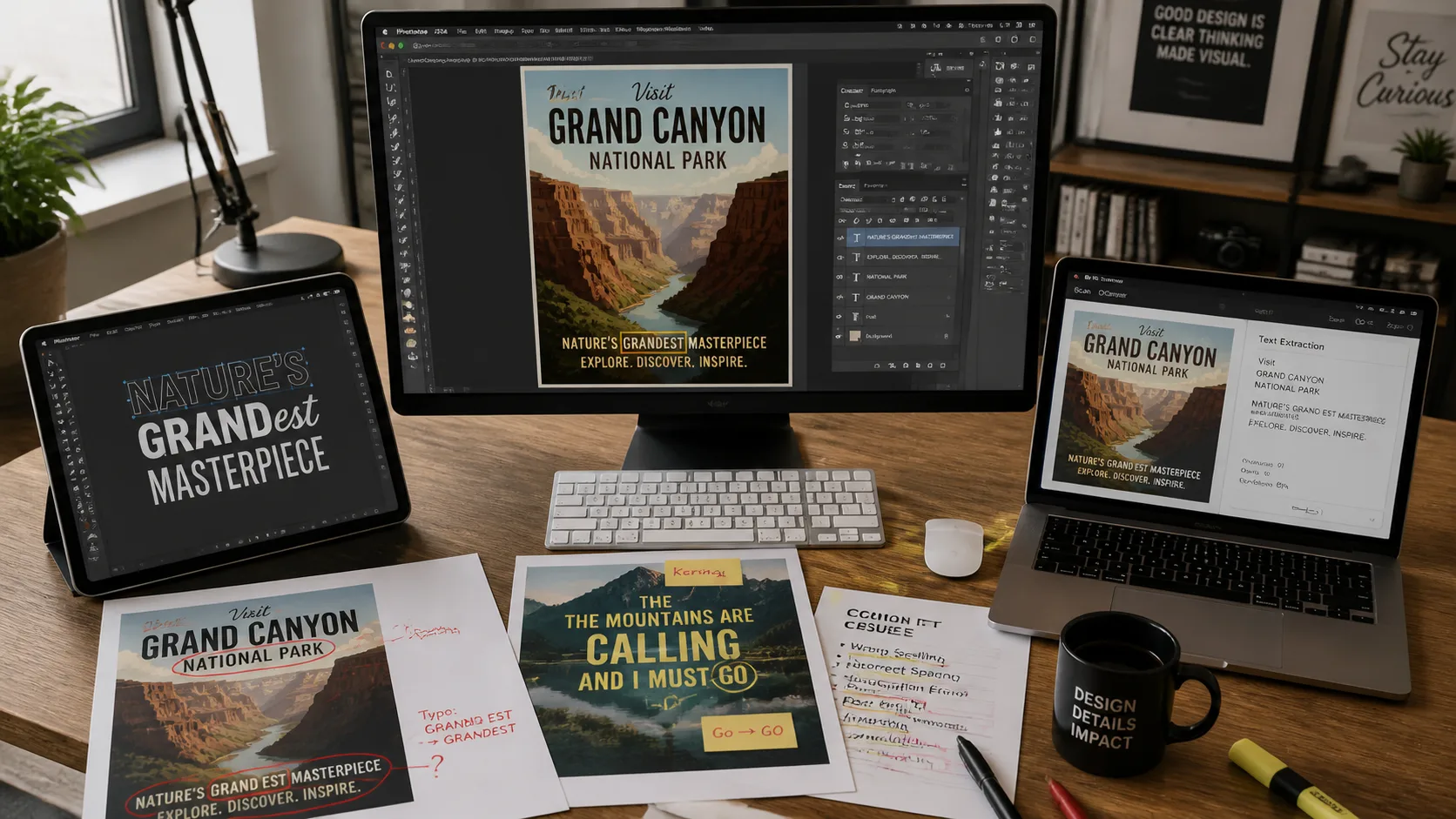
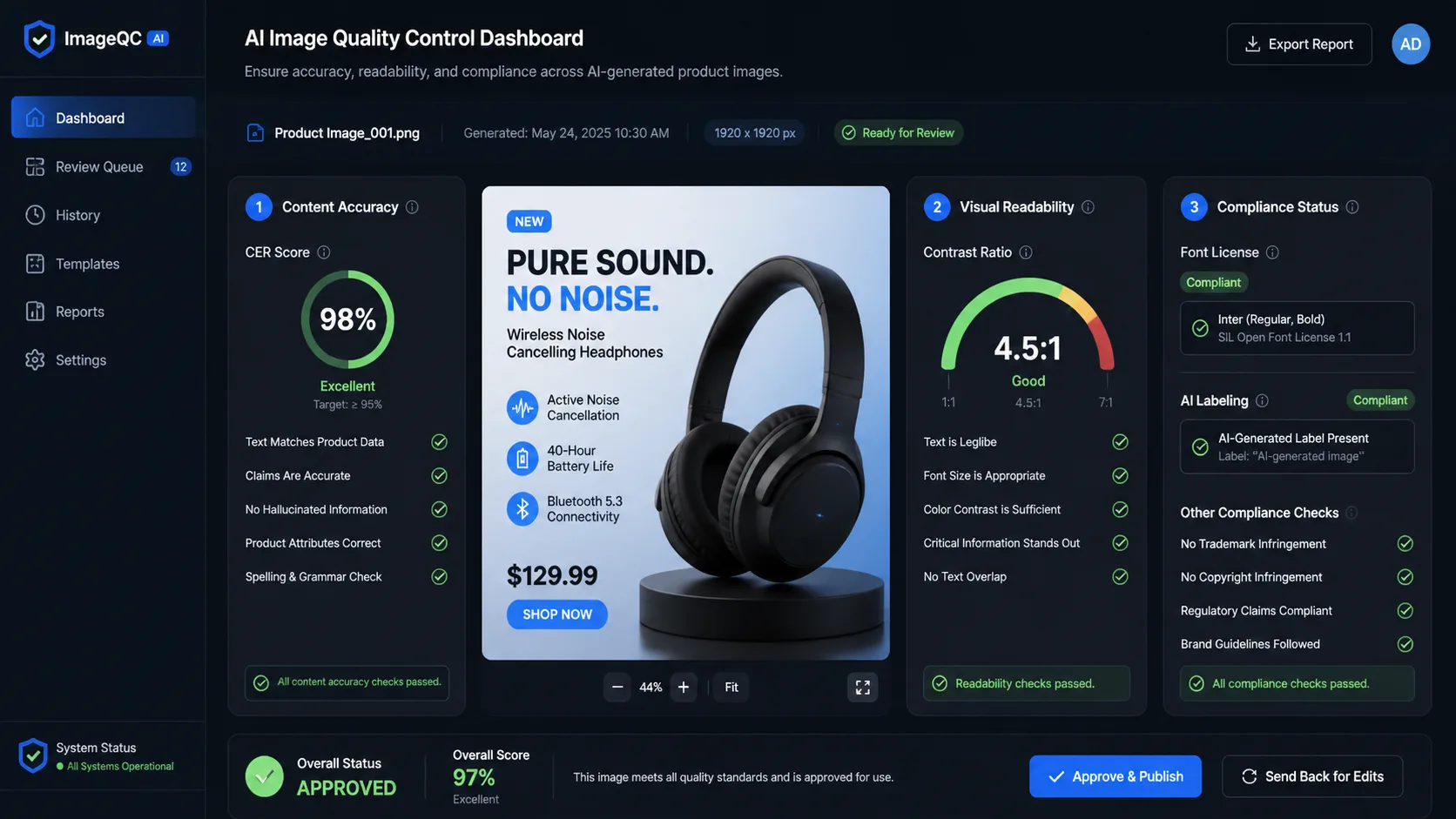
But stay rational: as of May 29, 2026, OpenAI's public documentation only emphasizes "improved / reliable" — there's no publicly reproducible "99% character-level accuracy" report. For marketing teams, the safer approach is to build your own evaluation: use 10 samples each of bilingual posters, packaging, menus, infographics, and UI designs, calculate error rates with OCR, then manually score whether the layout maintains hierarchy, spacing, line breaks, and logo positioning.
Resolution and Speed: Layered Workflows Are Key
gpt-image-2 supports any size within its constraints, with a maximum edge length of 3840px. Common 2K is the recommended reliable ceiling; 4K/UHD is labeled as experimental. Meanwhile, quality: "low" is ideal for fast drafts and iterations, and square images typically generate fastest.
"4K + high speed" don't come together by default — you trade them with a layered workflow: drafts at 1K/2K, finals at 4K.
Pre-Generation Reasoning: The Most Underestimated Change
OpenAI Help clearly states: Images with thinking will "plan and refine image outputs before generating them." The release page examples also directly demonstrate "thinking mode search capabilities."
This isn't a fully public "self-verification mechanism" in the academic sense, but it at least shows the system has shifted from single-prompt responses to a "plan first, generate later" approach. For marketing, this is crucial: when you need event posters, explanatory charts, UI-style layouts, or multi-scene storyboards, what you're really saving isn't one round of generation time — it's countless rounds of "prompt and pray" rework.
Multi-Turn Editing: Goodbye to the "Prompt and Pray" Loop
The Cookbook's practical advice: explicitly restate which elements must remain unchanged in each round to reduce drift; use "character anchor" examples to demonstrate consistency across multi-turn image continuation. Generate an image, then request specific changes — "swap the background to a kitchen counter," "remove the person on the left," "make the title bigger" — and the model preserves everything else.
If you want to try these capabilities yourself, there are now several platforms that give you direct access to GPT Image 2. For example, gpt-image2ai.net lets you use it without setting up your own API — just register and start generating.
2. The 2026 Image Generation Competitive Landscape
If you only look at public blind-test preferences, the current landscape is clear:
| Model | Leaderboard Position & Elo | Best Marketing Tasks | Representative Cost | Self-Hostable |
|---|---|---|---|---|
| GPT Image 2 | #1 / 1338 | Copy-heavy posters, infographics, UI mockups, multi-turn refinement | 1024²: $0.006 / $0.053 / $0.211 (low/med/high) | No |
| GPT Image 1.5 | #2 / 1268 | Legacy workflow compatibility, regression testing | 1024²: $0.009 / $0.034 / $0.133 | No |
| Nano Banana 2 | #3 / 1260 | High-volume localization, fast 4K, multilingual landing pages | 1K $0.067; 4K $0.151 | No |
| Nano Banana Pro | #4 / 1219 | Complex product mockups, data visualization | 1K-2K $0.134; 4K $0.24 | No |
| Seedream 5.0 Lite | #43 / 1118 | Chinese knowledge-based creative, real-time trending images | $0.035 / image | No |
| FLUX.2 [dev] | #13 / 1157 | Self-hosted, LoRA, brand privatization | ~$0.012 / MP for inference | Yes |
The easiest wrong conclusion here is: "Since GPT Image 2 ranks first, I should go all in." Reality is the opposite. Nano Banana 2 excels at low latency, 4K, and multilingual grounding; Nano Banana Pro is better for complex charts and high-precision mockups; Seedream 5.0 Lite's strengths are deep thinking, online search, and Chinese business contexts; FLUX.2 is the only route that truly puts self-hosting, weight control, and LoRA training in your hands.
The 2026 image generation market isn't "whoever's strongest wins everything" — it's "who's most cost-effective, stable, and controllable for your specific needs." Running multiple models in parallel isn't a luxury; it's risk management.
3. What GPT Image 2 Can't Solve
Even though OpenAI officially classifies GPT Image 2 as the recommended model for "brand-sensitive creative" and "identity-sensitive editing," the Cookbook still reminds you: product image processing requires keeping backgrounds opaque — if you need transparent layers, you'll need downstream matting. Product mockup success depends on edge quality and label completeness. And you need to repeatedly emphasize "only change X, everything else stays the same" to reduce drift.
The API reference is also very direct: gpt-image-2 does not support transparent backgrounds. This means that for brand packaging, SKU variants, or generating 100 scene images of the same product, it can handle "early proposals and intermediate drafts" — but it's not yet an "unattended pipeline."
This is exactly where LoRA has real value.
LoRA's principle is to freeze the main model and only train a small set of low-rank adaptation parameters, significantly reducing trainable parameters and memory requirements. By 2026, this approach has clearly entered image model foundations: BFL's official documentation positions FLUX.2 [klein] Base directly as a starting point suitable for LoRA and full fine-tuning.
From a cost perspective, LoRA isn't as expensive as many teams imagine. fal's FLUX.2 LoRA Trainer charges $0.008/step, so 1000 steps cost about $8. Following BFL's recommended 1500–2500 steps, a round of style LoRA training costs roughly $12–20, and character LoRA about $12–24.
But LoRA also carries clear risks: data rights risks, overfitting risks, brand risks, and licensing risks. For marketing teams, LoRA should be treated as a "brand asset layer," not a "filter you casually tweak."
4. In Practice: A Complete Marketing Image Workflow
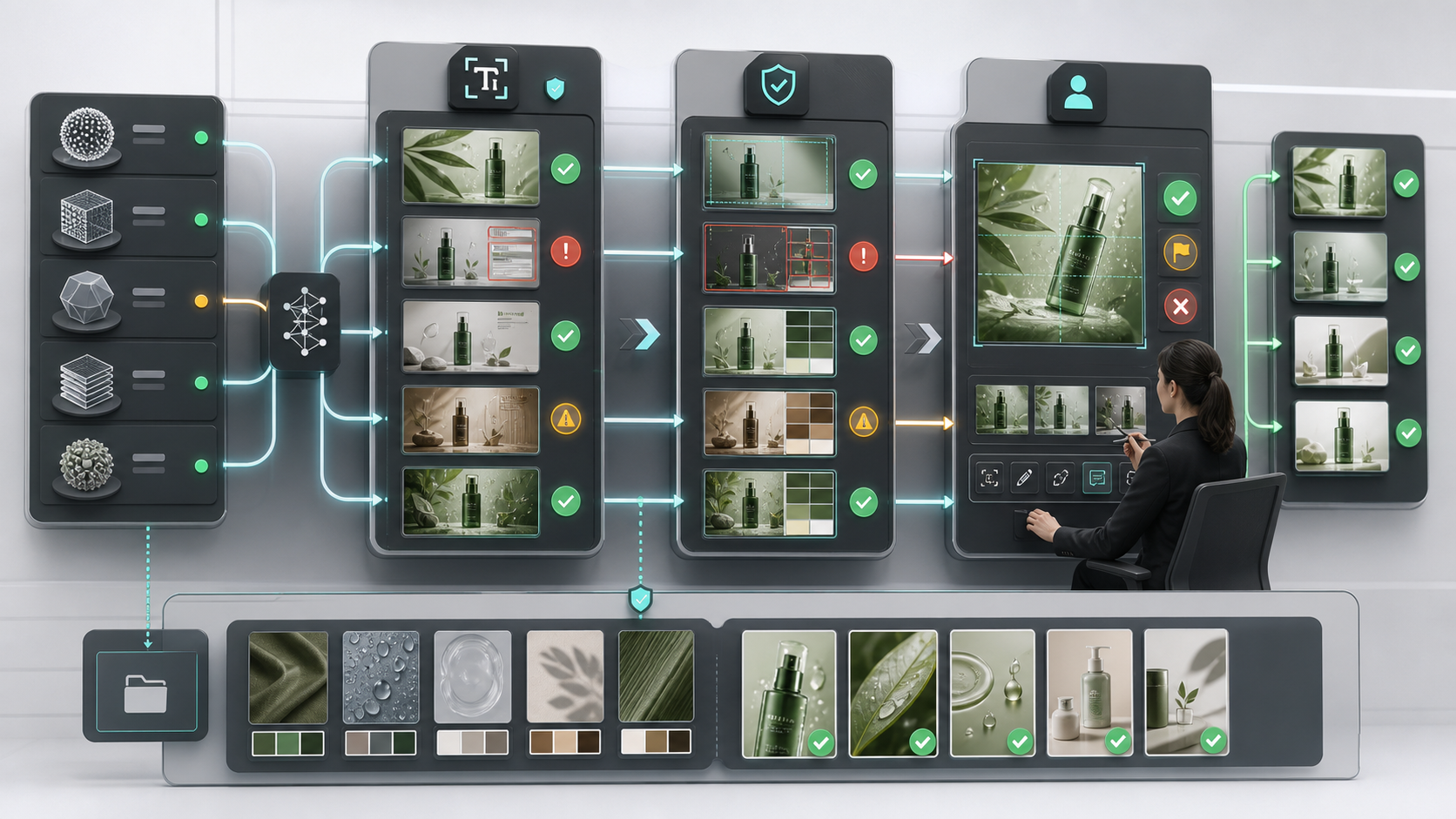
The optimal 2026 marketing team configuration: GPT Image 2 as the primary creative and refinement engine, Nano Banana 2 / Pro or Seedream 5.0 Lite for search and localization support, and FLUX.2 for self-hosted LoRA brand locking.
Three Scenarios Worth Starting With
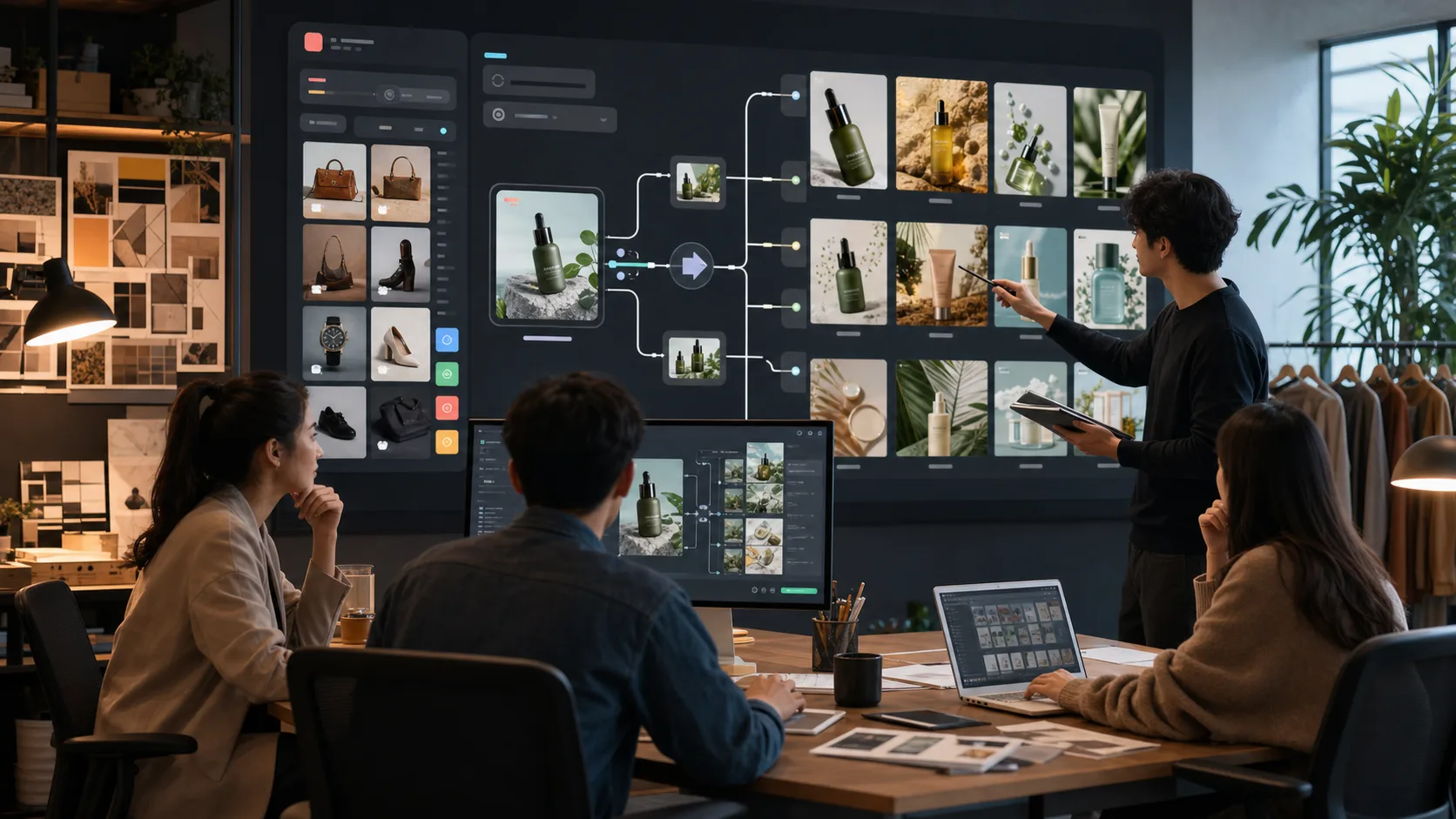
Scenario 1: E-commerce New Product Listing Upload white-background product shots and packaging references. Use GPT Image 2 for clean white-background images and scene drafts, then switch to high-quality mode for hero images. For batch generation with different backgrounds and material styles, move to FLUX.2 product LoRA. Finally, run everything through OCR and geometry quality checks.
Scenario 2: Global Ad Localization Use GPT Image 2 or Nano Banana Pro to produce the master key visual. Then use Nano Banana 2 or GPT Image 2 for language translation and localized cultural adaptation. Finally, use OCR and human review to verify copy, currency, dates, and place names.
Scenario 3: Annual Brand Campaign Visual Consistency Collect 20–50 approved campaign visuals, clean them, and write good captions. Train a style LoRA with 1500–2500 steps. Connect the LoRA to FLUX.2 for batch variant generation, then use GPT Image 2 for a small number of high-fidelity final touches.
Three-Layer Quality Control
- Machine Proofreading: Use OCR to verify Chinese, English, and numeric copy
- Rule Checking: Use image similarity or detection rules to verify product geometry, logo placement, and primary color deviation
- Human Final Review: Handle brand tone, compliance language, and copyright boundaries
5. Conclusion and Action Items
For marketing decision-makers, the most important judgments come down to three:
First, position GPT Image 2 as the primary engine for marketing image production — not the only engine. It's strong enough to handle text-heavy visuals, creative drafts, conversational refinement, and mid-to-high-frequency marketing assets. But it hasn't publicly proven that "99% text accuracy" naturally holds in your business, and transparent backgrounds and batch product standardization aren't its strengths yet.
Second, the priority order should be: pilot first, build quality checks second, train LoRA third. Start by bringing GPT Image 2 into real briefs to measure pass rates, revision rates, text accuracy, and production cycles. Then bring in Nano Banana / Seedream for search and localization capabilities. Only last, introduce FLUX.2 LoRA for high-repetition, high-value brand assets.
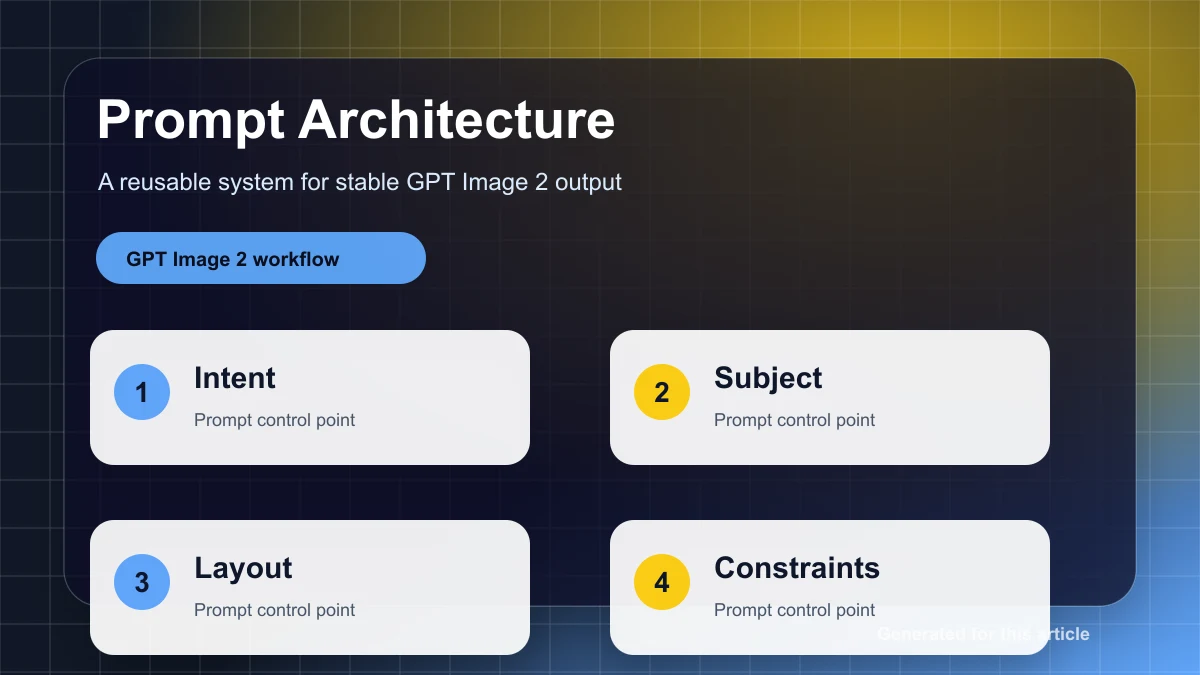
Third, the two most dangerous mistakes in 2026 are blind faith in a single model and blind faith in a single prompt. The former ignores lifecycle, cost structure, and privatization control. The latter ignores that what truly improves stability is "stateful iteration + explicit invariants + automated quality checks."
GPT Image 2 transforms marketing workflows not by replacing creative teams, but by freeing them from "repeatedly producing execution images" so they can spend their time on strategy, templates, brand rules, and final judgment.
If you haven't tried GPT Image 2 yet, you can start right now — gpt-image2ai.net provides a direct online entry point. No API setup needed; register and generate your first image. Run a real brief and see if it can bring your revision rate down.